Thank you for writing to us. One of our executive will reach back to you through your submitted medium. In case there’s an urgency, feel free to connect over WhatsApp for faster response.
Prefer calling? Dial +918048890675 (International callers) or 08048890675 (Indian callers).
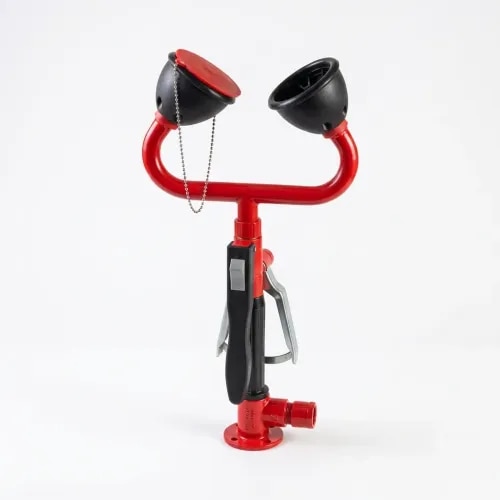
An eye wash station in laboratory furniture is a safety feature designed to provide immediate rinsing of the eyes in case of exposure to hazardous chemicals or substances. It typically consists of a bowl or eyewash nozzle that delivers a steady flow of clean water, allowing the affected person to flush their eyes for a prolonged period to reduce the risk of injury or irritation.
A bench-mounted gas valve is a compact, durable fixture installed on laboratory furniture to regulate and control the flow of gas to laboratory equipment. It is designed for safe and precise operation, often featuring a lever or knob for easy adjustment and a durable material construction to withstand harsh laboratory conditions. These valves are commonly used for applications such as Bunsen burners and gas-powered instruments, ensuring reliability and safety in laboratory environments.
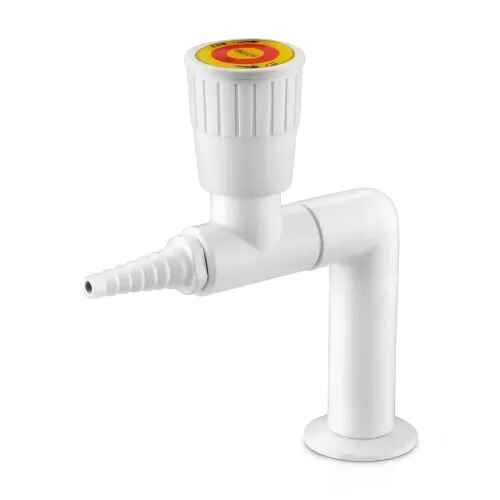
A one-way water valve, commonly used in laboratory furniture, is a device that allows water to flow in a single direction, preventing backflow and contamination. It is typically integrated into laboratory sinks or water systems to ensure safe and efficient water management, maintaining a sterile and controlled environment.
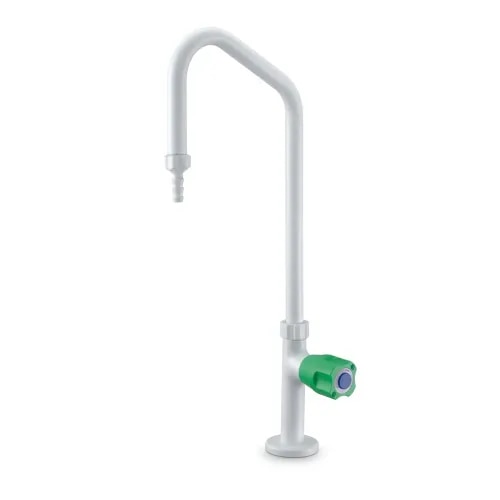
A two-way water valve used in laboratory furniture is a precision device designed to control the flow of water in laboratory workspaces. It typically has an inlet and outlet, allowing for simple on/off operation or flow regulation. These valves are made from durable materials resistant to corrosion and chemicals, ensuring safety and reliability in various laboratory applications, such as washing, rinsing, and supplying water to equipment.
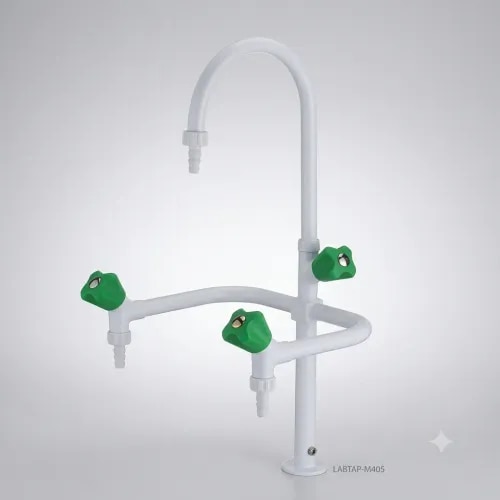
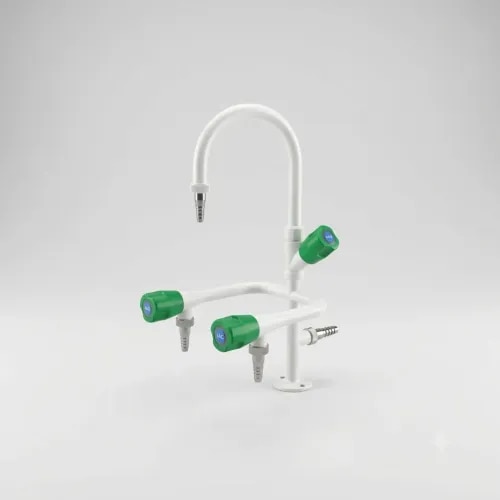
A three-way water valve used in laboratory furniture is a versatile control device designed to direct water flow between multiple outlets. It typically allows switching between two different water sources or mixing them, while also providing precise flow control for various lab applications. Made from durable materials like brass or stainless steel, it ensures reliability and resistance to corrosion in laboratory environments.
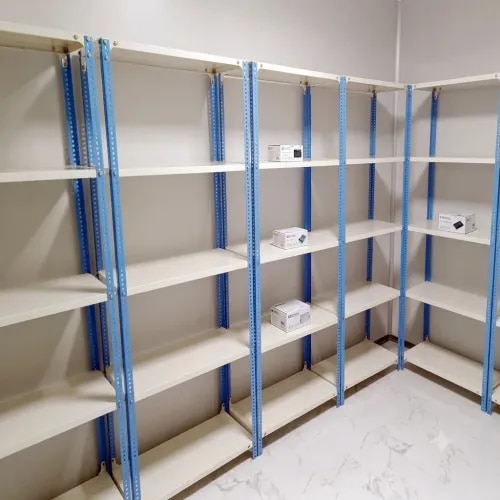
A slotted angle rack used in laboratory furniture is a versatile and customizable storage solution designed for organizing laboratory equipment, tools, and materials. Made from sturdy steel, it features slotted angles that allow for flexible configuration and easy assembly. The rack typically includes adjustable shelves or trays that can be repositioned to accommodate different sizes of laboratory items. Its open design ensures easy access to stored items while maintaining an efficient and organized workspace. Slotted angle racks are durable, resistant to corrosion, and provide a practical and cost-effective solution for optimizing storage in lab environments.
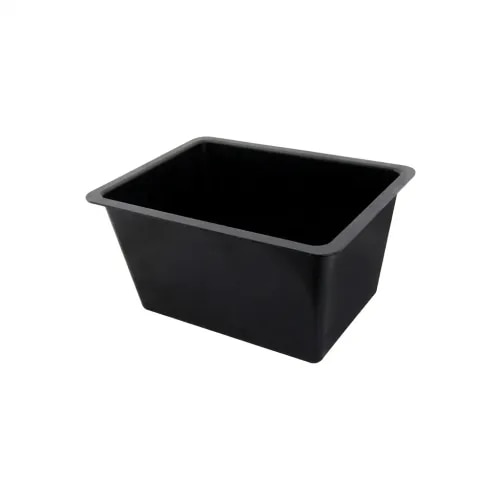
Laboratory PP Sink
A PP sink (Polypropylene sink) is a durable, chemical-resistant sink commonly used in laboratory furniture. It is designed to withstand exposure to acids, alkalis, and solvents, making it ideal for handling corrosive substances. Its lightweight, non-porous surface ensures easy cleaning and long-lasting performance in demanding laboratory environments.
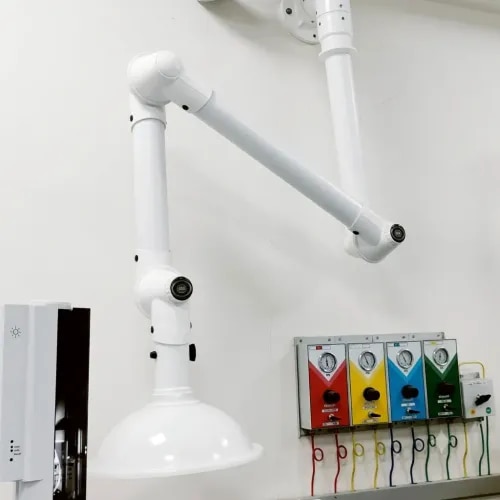
A fume adjust spot extractor is a vital safety feature in laboratory furniture, designed to capture and remove hazardous fumes, gases, and particles directly from the source during experiments. It helps protect laboratory personnel by preventing harmful substances from dispersing into the air.
Key Features:
Adjustable Hood/Arm: Allows flexible positioning over the work area.
Efficient Filtration: Uses carbon, HEPA, or combination filters to capture contaminants.
Compact Design: Easily integrates into workstations without taking up space.
Variable Fan Speed: Adjusts airflow for energy efficiency and optimal extraction.
Noise Reduction: Minimizes disruptions during use.
Installation: These extractors are typically installed on workbenches, fume hoods, or laboratory units, and are connected to a filtration or venting system.
Applications: They are used in chemical, biological, pharmaceutical, and educational labs to capture fumes, aerosols, and dust, ensuring a safe working environment.
Benefits: These extractors are typically installed on workbenches, fume hoods, or laboratory units, and are connected to a filtration or venting system.
Key Features:
Health and Safety: Reduces exposure to hazardous substances.
Improved Air Quality: Maintains clean, breathable air in the lab.
Energy Efficiency: Localized extraction reduces overall energy use.
In summary, a fume adjust spot extractor enhances laboratory safety by effectively removing airborne contaminants, making it an essential component of modern lab furniture.